
is the world falling out of love with traditional gaming?
IGN asked whether players are falling out of love with traditional games. Console sales are down, hardware prices are up and every game asks for a purchase and a download before the first minute of play. The problem is friction, and friction has a price.

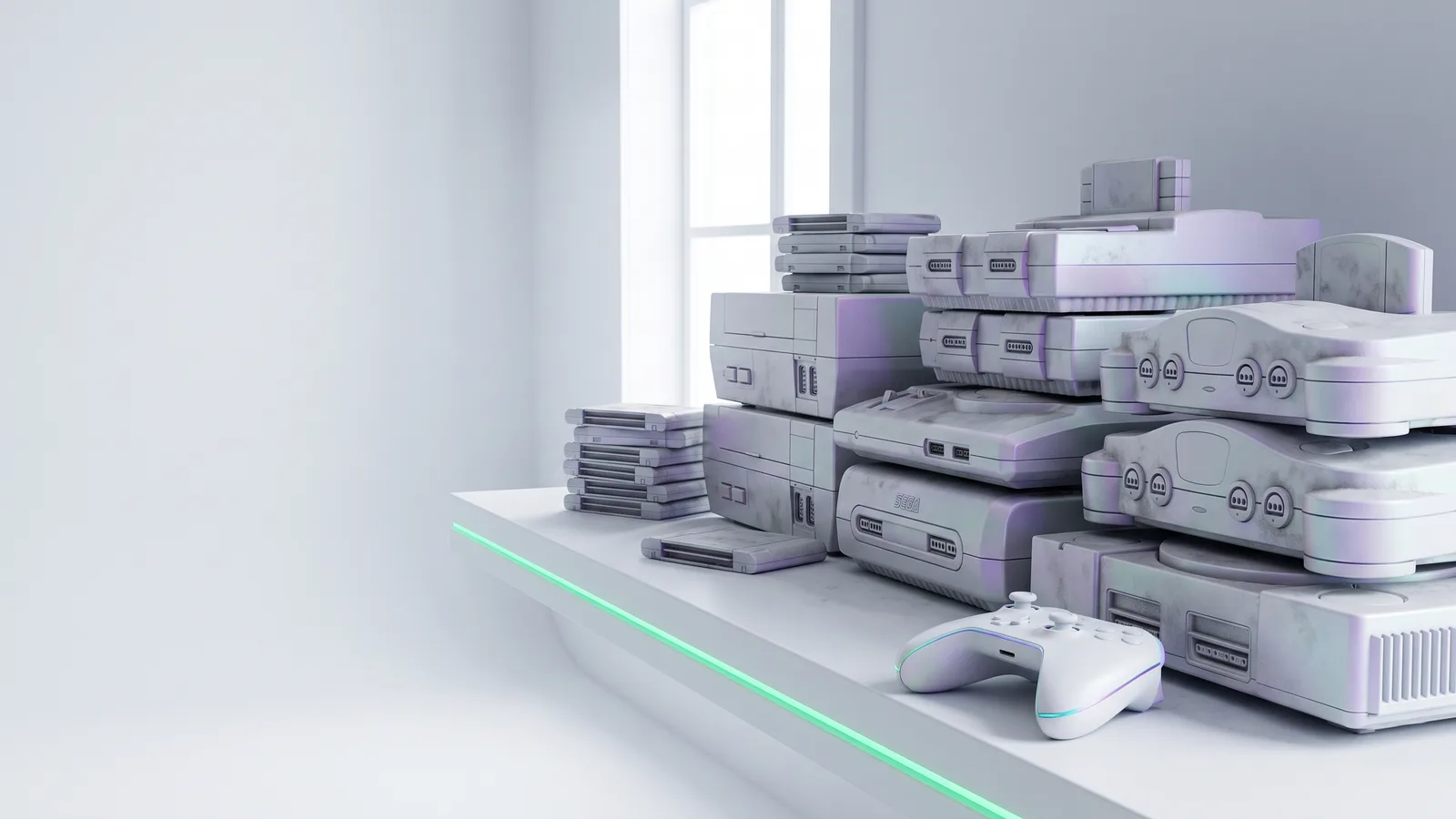
IGN recently asked a hard question: is the world falling out of love with traditional video games? The article describes a model buckling under expensive hardware, shifting attention and strained business models. Read closely, every problem it names is a form of friction between a player and the first minute of play.
1. “RAMmageddon”: the hardware gets more expensive
AI companies are buying up the world’s memory and storage, and the cost of building consoles and PCs is rising with it. Xbox hardware sales are down 32%, and the next generation, the PS6 among them, may cost more than many households will pay (the PS6 paradox).
2. too much friction before the first minute
A player is expected to own the hardware, pay $70 up front and wait for a 100 GB download. In an era of short-video feeds, instant AI apps and browser entertainment, many players pick whatever starts now.
3. cloud gaming proved the demand, not the economics
IGN notes that players are being “seduced by cloud gaming services” instead of upgrading. Xbox Cloud and GeForce Now proved that players want to stream. But they run on data centres, and a data-centre GPU is paid for while it waits for the evening peak (what a GPU hour pays for). That cost has to come back in the price.
4. publishers squeezed from both sides
With hardware sales and player growth stalling, publishers raise subscription prices and lean on microtransactions, while store fees take about 30% of their revenue. Paying to acquire a player who then abandons a 100 GB download makes it worse.
what removes the friction
Streaming removes the hardware and the download; what decides whether it lasts is the cost of each hour. A streamed game needs a GPU near the player (why distance matters). YOM runs the GPU session edge: GPUs next to every user, paid per session, on gaming PCs owned by their hosts and telco racks near users. Nothing is booked ahead, so a publisher pays only for sessions played: a link in its own channel, a Discord server or an ad becomes a playable game in the browser, with nothing to install. Players stream the Steam and Epic games they already own through Walter, YOM’s consumer service.
Consoles will not disappear. They stop being the thing a player has to buy before they can play.
FAQ
why are players losing interest in traditional games?
IGN points to rising hardware costs (Xbox hardware sales fell 32%), $70 prices and 100 GB downloads, and attention moving to instant, browser-based and mobile experiences.
how can publishers benefit from streaming on YOM?
A publisher puts a playable session inside its own channels instead of a 100 GB download, and pays per session played. Get in touch to start with a scoped pilot.
about YOM
YOM runs the GPU session edge: GPUs next to every user, paid per session. Gaming PCs owned by their hosts, and telco racks near users, run game streaming (YOM Games, and Walter at walter.gg for players) and live AI conversations (YOM AI). A Standard session of up to an hour costs $0.08; an hour of play on a reserved data-centre GPU costs $1.23. Median one-way latency, measured live over the last 30 days: 19 ms for players within 50 km of a node, 37 ms across all sessions (yom.net/source-of-truth).
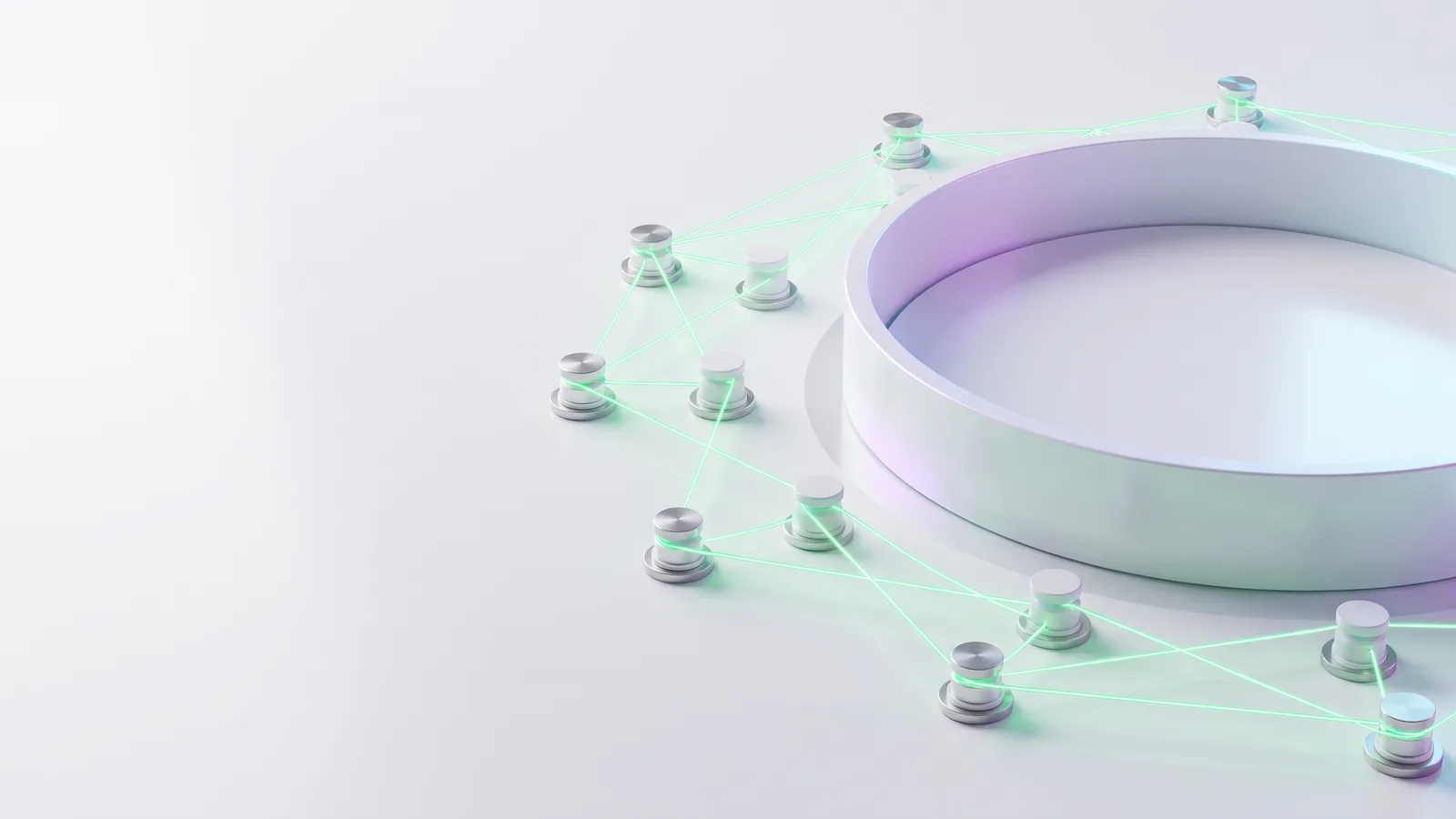

the network under all of this
real-time work has to happen close by
About fifty kilometres from the person waiting for it. The hardware that close to people already exists, and most of it is switched off.