
what san francisco taught us: everything comes down to access
Notes from a week in San Francisco with Techleap's Gaming Founders Circle: access, pace, and why games belong where players already are.
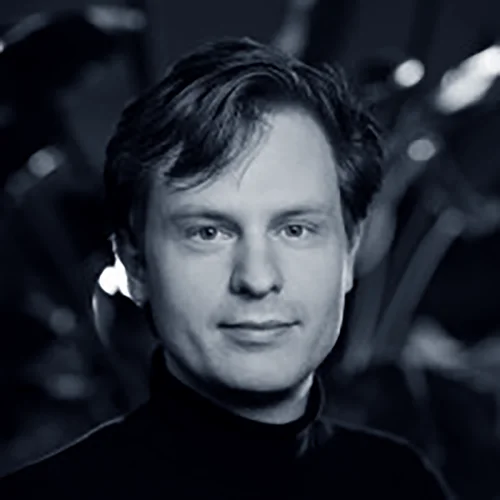
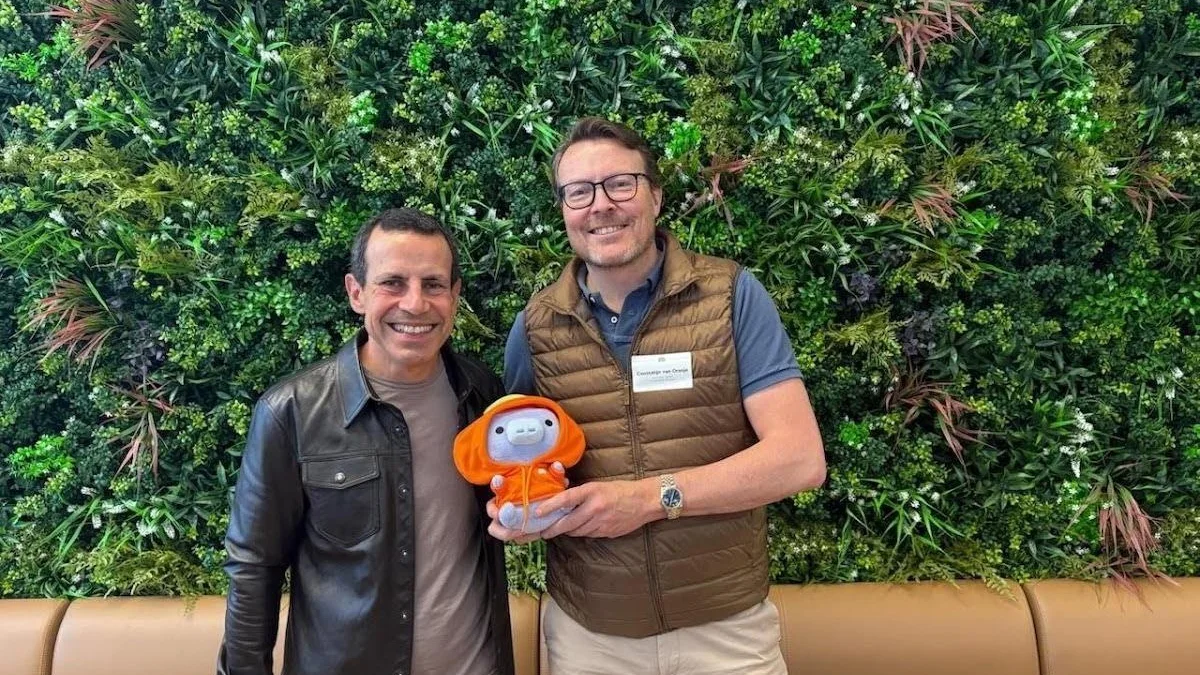
In mid-October I spent a week in San Francisco with Techleap’s Cities delegation, as one of the founders in its Gaming Founders Circle. We spent a day at Discord’s headquarters, sat down with US investors at the Dutch Consulate, and met people building at the big AI labs. It was the densest week of meetings I have had in a long time.
Above: Discord CEO Humam Sakhnini and Prince Constantijn van Oranje, Techleap’s special envoy, at Discord’s San Francisco office (with Wumpus). Photo: Jorrit Velzeboer.
Here is what I brought home.
everything comes down to access
The line I kept writing in my notes was this one: everything comes down to access. Access to customers, to capital, and to the people who can say yes. In San Francisco the best introductions happen in a room, not in an inbox.
That changes how we spend our time. Cold email has stopped working now that AI writes a thousand messages for every one a person reads. Warm introductions, shared events and people who vouch for you do that work instead.
the clock runs in months
The pace stayed with me too. Founders there plan their first million in revenue in months, not years, and the investors around them expect it. Some of that is optimism. Most of it is a different default: decide fast, ship, sign, repeat.
We came back on the same clock. We now measure progress by the deals we sign with a few partners, not by the number of conversations we have open.
be specific
One session compressed a whole morning into a few lines. Pick a small number of partners who put you in front of buyers. Name the customers you are going to win. Say no to the rest. A company that sells to everyone is a company nobody can introduce.
games belong where players already are
The day at Discord made one thing obvious. Gaming communities already live there: players talk, share clips and plan their next session together. Yet playing the game itself still means leaving: a download, a launcher, a key.
That gap is what YOM works on. YOM puts GPUs next to every user: home gaming PCs and telco racks near players run the game, and the player streams it with nothing to install, paid per session. When a game is one click away from the conversation about it, more people actually play it.
AI is everywhere, and it runs on GPUs
Almost every billboard in San Francisco is about AI. Most of what they advertise needs a GPU to answer in real time, and that answer arrives sooner when the GPU sits close to the person asking. The same machines that run games in the evening can serve live AI during the day. One network, two jobs.
thank you
Thanks to Techleap and the team behind the Gaming Founders Circle for opening those doors, to Discord for hosting us, and to my fellow founders in the Circle for a week of honest conversations. The Circle has given us what San Francisco says matters most: access, and peers who tell you the truth.
keep reading
related articles


the network under all of this
real-time work has to happen close by
About fifty kilometres from the person waiting for it. The hardware that close to people already exists, and most of it is switched off.