
the hardware is already inside the cities
50km
the radius in which players see a median one-way latency of 15ms; 40.5ms across all sessions
Light in glass covers two hundred kilometres per millisecond, and a round trip pays that twice. 936 million people play games on a PC (Newzoo, 2025), and most hours of the day those machines wait.
what the network sellsnobody built it this way because nobody could
the first ceiling is a price
in a data centre
on this network
the hour there, the session here (a session runs up to one hour)
$1.23
$0.08
hardware
bought years before it earns
already bought, to play games on
cooling and power
cooled and powered around the clock
it is a room, it is already cool
bandwidth
every frame travels the distance
the GPU sits near the player
idle time
the rack is paid for at 3am
bought per session served
real estate
built before the first customer
somebody lives there
Real-time streaming from a data centre costs too much to sell per player: capacity sized for the peak sits idle the rest of the day. This network removes that floor.
you cannot buy your way past the grid
the second ceiling is electricity
228 electricity data centres will demand
111 grid capacity to supply it
2024, indexed to 100 2030
Every month in that queue is a month a competitor cannot get back. Capital is abundant. Substations are not.
IEA, Energy and AI LBNL 2024 data centre energy report Goldman Sachs
the costs are already paid by somebody else
what YOM pays per kilowatt hour
$0
The owner powers the GPU, from their 60% share.
a hyperscaler, retail tariff
$0.10 to $0.15
Before a single chip is bought
Telco towers are already permitted, powered and cooled. On UK tower sites, YOM ran 168 live game sessions over 20 days. Chips and latency can be bought. A place in a full queue cannot.
three product lines, one price logicgaming was the hard part, and it is running
Gaming is the first market and the hardest proof: a frame every 16 ms, a player waiting on each. Within 50 km of a node, median one-way latency is 15ms. If a game runs here, everything looser does.
16,100 live sessions in the last 30 days across 7 world regions with active hosts, from 28,061 PCs checked by their owners, as of 10 Oct, 00:00 UTC.
+1,316%
daily active players
-
7 GB became 2 MB
a 2 MB link in place of a 7 GB download
-
+54%
retention at thirty days
Roughneck Rumble, by Skyhook Games, over its first six months on the network. The studios and partners behind the network.
what would have to be true
-
a session cannot survive on hardware that comes and goes
Stateless networks retry a job when a card vanishes; a session can only be lost. So each goes to a node with room to hold it; the design target on home GPUs is 98% of sessions without a network drop.
-
my build would sit on a stranger’s machine
Every session runs in its own container, destroyed when it closes. NANO nodes boot an encrypted system whose boot files are checked against known hashes at every start, and pre-release builds run only on capacity YOM controls.
-
what if there is no node near my user
It runs on commercial cloud instead of failing. We carry that cost so the network works everywhere on day one.
-
why would supply keep growing
An operator earns more where sessions are being paid for. Supply follows demand into a region instead of being built ahead of it, and that is what carries the cost curve down.
-
where does the session fee go
Publishers pay per session, in dollars. The fee splits four ways: 60% to the operator, 30% to network development, 5% shared with everyone who holds on to their payout, 5% retired. Payouts follow session volume, not token price.
No existing system combines decentralised consumer-grade GPU infrastructure, real-time interactive game streaming, browser-native delivery via embed SDK, and an orchestration layer with QoS-based routing.
the layer keeps the value
Nobody knows which application layer wins. What does not get abstracted away is latency, locality, energy and hardware. A frame still has to be rendered near a person.
Every session pays the same fee to the network regardless of what the session is. A game tonight, a live AI conversation next quarter, a partner’s own streamer in its own container after that.
the market this layer sits under
-
$116B
real-time GPU work a year by 2030: streamed games and live AI
YOM model, bottom-up; Newzoo 2025, Steam Hardware Survey
-
$18.5B
the part of it a network next to its users can serve
YOM model, bottom-up
-
$29B
cloud gaming alone in 2030, upper analyst estimate
Grand View Research; Statista
what we are building
we are building the GPU layer of the post-AI economy
Same nodes, a different workload. Three things and we can price it: what runs, where your users are, and how long a session lasts.
read the long version
-
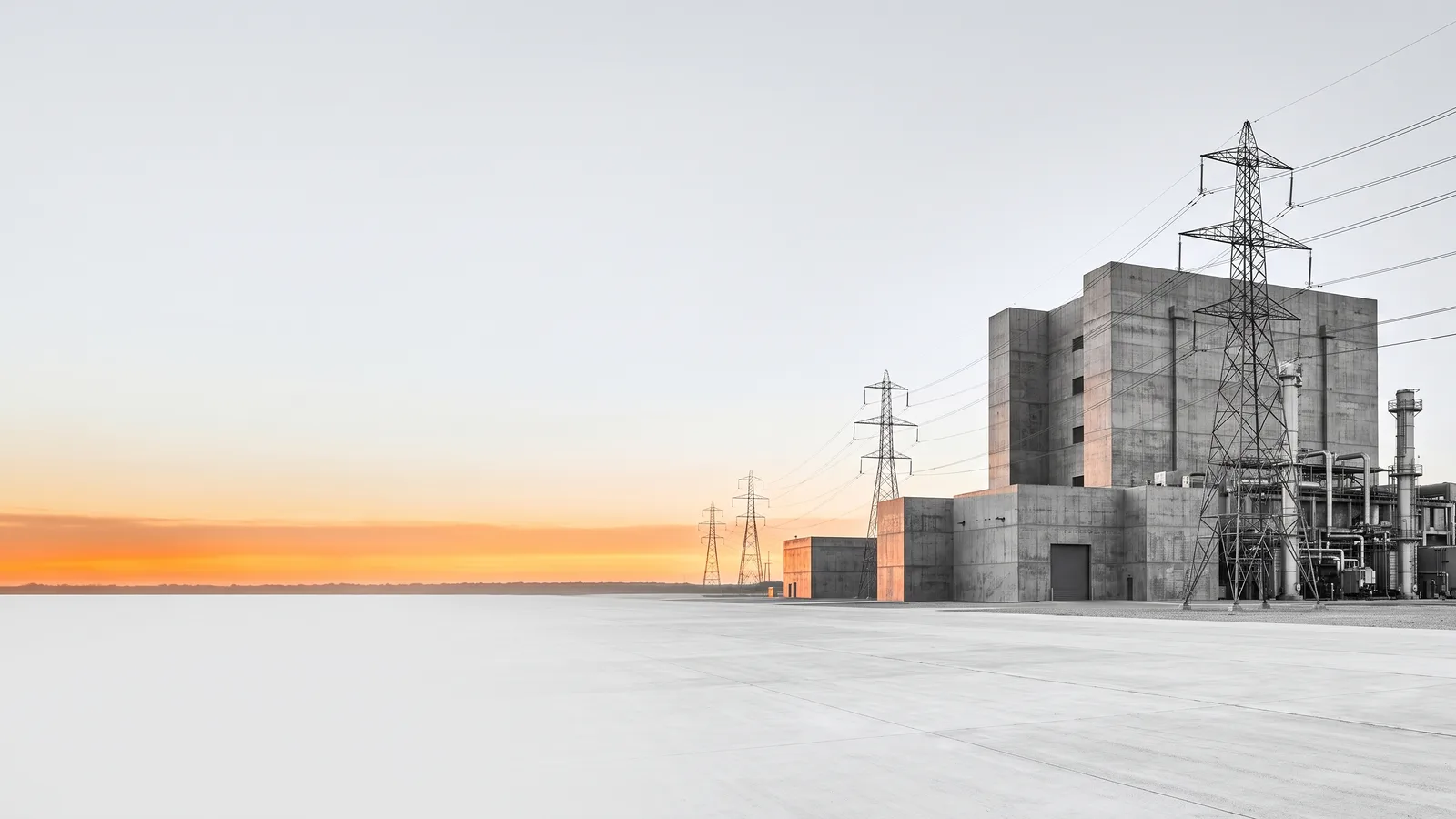 why another data centre is the wrong answer A new campus waits years for power. The alternative is hardware that already exists, next to the people using it.
 -
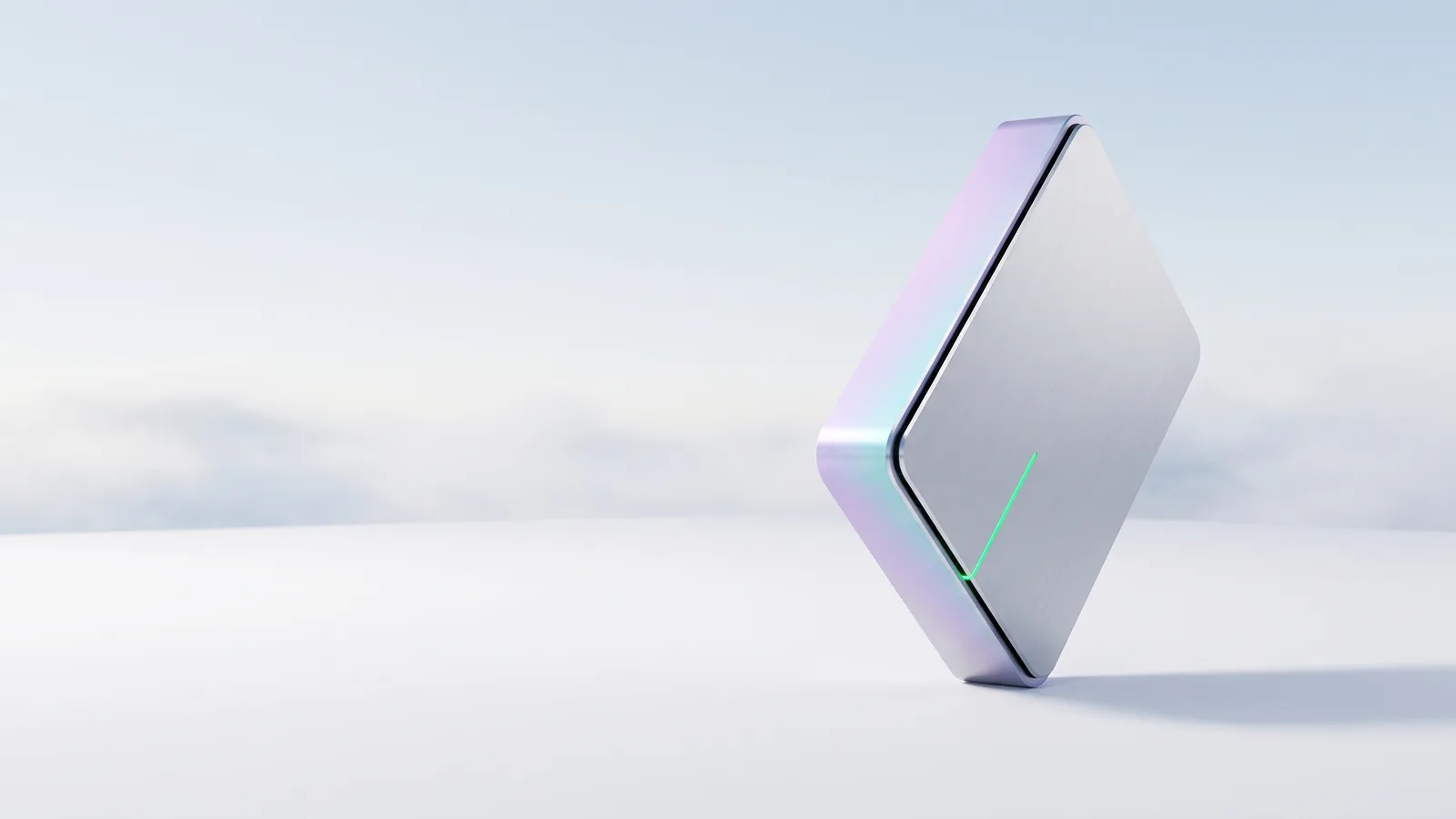 the hardware that lifts the ceiling at the edge 128GB of unified memory removes the VRAM wall that kept a single edge node smaller than a rack.
 -
 how a centralised platform moves to the edge Hybrid orchestration: the central cloud keeps the library, the render bursts to a node near the player.